





Kitten Care Guide: Feeding, Health, & Grooming for New Owners

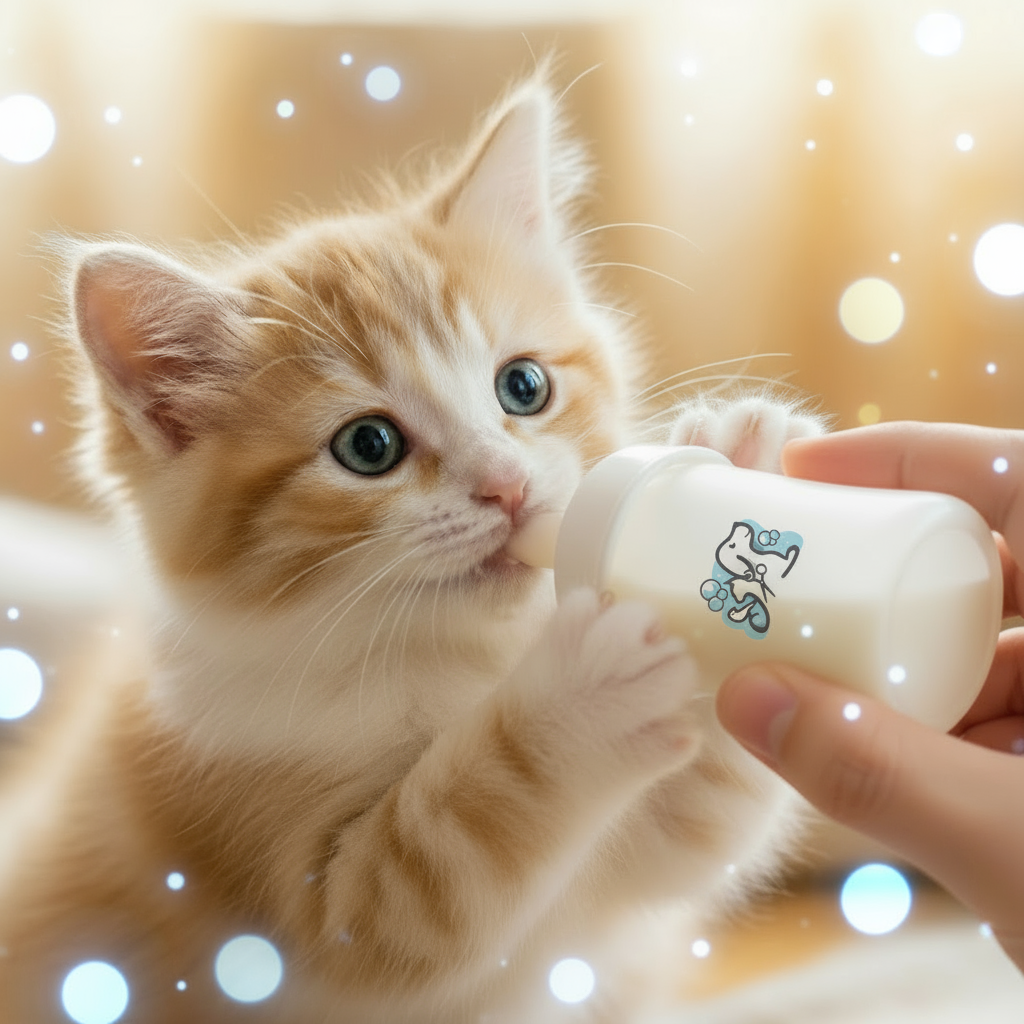
Bringing a new kitten into your home is a joyous, yet sometimes overwhelming, experience. These tiny bundles of energy are growing at an incredible rate, and their specific needs for nutrition, health, and grooming are vastly different from adult cats. To help you navigate this crucial stage, we’ve compiled this Ultimate Kitten Care Guide based on the most common questions new kitten parents ask. Our goal is to provide you with attractive, genuine, and expert-backed information to ensure your new furry friend gets the best possible start in life. This Kitten Care Guide is your essential resource.
🍼 Kitten Care Guide: Nutrition – The Foundation of a Healthy Life
Proper nutrition is the single most important factor in a kitten’s development. Their rapid growth requires a diet rich in protein, fat, and essential nutrients.
1. The Golden Rule of Kitten Milk
Question | Answer | Key Takeaway |
Where can I buy kitten milk? | You can purchase high-quality Kitten Milk Replacer (KMR) from Petopia.ae, with fast delivery across the UAE. | Always ensure the product is a dedicated KMR and not cow’s milk. |
Question | Answer | Key Takeaway |
What type of milk do kittens drink? | Kitten Milk Replacer (KMR) is the only safe and appropriate milk for kittens who are not nursing from their mother. This answers “which milk is best for kittens”, “what milk can kittens drink” and “what is the milk for kitten”. | NEVER give cow’s milk, as it can cause severe digestive upset and diarrhea due to lactose intolerance. |
What to feed newborn kittens without mother? | A high-quality Kitten Milk Replacer (KMR), administered via a special kitten bottle or syringe. This addresses “what to feed newborn kittens without mother” and “what can i feed newborn kittens”. Following this Kitten Care Guide ensures proper early development. | Newborns need to be fed every 2-4 hours (round the clock) until they are about 3-4 weeks old. |
2. Feeding by Age: From Tiny to Toddler
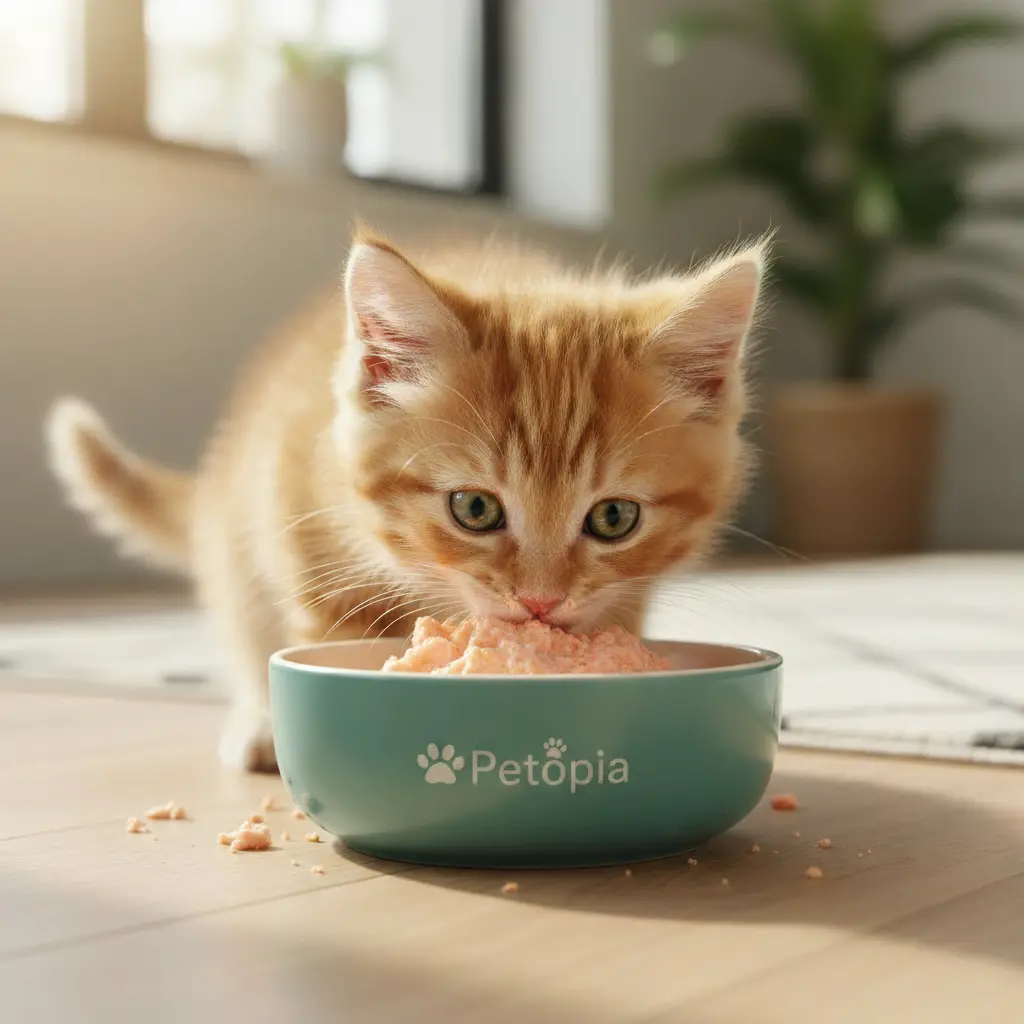
A kitten’s diet changes dramatically as they grow. Here is a guide to what, when, and how much to feed them, addressing “what to feed a kitten”, “what to feed a newborn kitten”, “what to give small kittens to eat”, and specific age questions.
Kitten Age | Key Questions Addressed | Feeding Focus | What to Feed | Frequency |
Newborn to 4 Weeks | What to feed a 3 week old kitten without mom? | Exclusive milk diet. | Every 2-4 hours (round the clock) | |
4 to 5 Weeks | What to feed 5 week old kittens? When to give kitten wet food? | Weaning begins. Kittens can start trying wet food around 4-5 weeks of age. Start by mixing it with KMR or water to form a gruel. | 4-5 small meals per day | |
2 Months | What should 2 month kitten eat? What can 1 month old kittens eat? | Transition to solid food. | High-quality wet kitten food and/or moistened kitten kibble. Gradually reduce the amount of KMR/water used to moisten the food. | 3-4 small meals per day |
3 to 5 Months | What to feed a 3 month old kitten? What can 5 month old kittens eat? | Rapid growth phase. | High-quality kitten-specific wet food and dry kibble. Ensure they have constant access to fresh water. | 3 meals per day |
•What is kitten kibble? Kitten kibble is a dry, crunchy food specifically formulated for growing kittens. It is smaller than adult kibble, making it easier to chew, and contains higher levels of protein, fat, and calories to support their rapid development. This answers “what is kitten kibble”.
•What is the best food for kittens? The best food is a high-quality, complete, and balanced diet specifically labeled for “growth” or “all life stages.” This addresses “which kitten food is best“, “which is the best kitten food“, “which cat food is good for kittens”, “what is the best food for kittens“, “what food good for kitten“, “what food does kitten eat”, and “what can kitten eat”. A mix of wet and dry food is often recommended for hydration and dental health.
•What kittens like to eat? Kittens are obligate carnivores and naturally prefer food rich in animal protein. High-quality wet food and dry kibble that meets their nutritional needs will be highly palatable.
3. Treats and Safe Human Foods
Question | Answer |
What treats are good for kittens? | Treats should be given in moderation (no more than 10% of their daily caloric intake). Look for treats made with high-quality animal protein (like freeze-dried chicken or fish) and avoid those with excessive fillers, artificial colors, or preservatives. |
What can I give my kitten? | Safe human foods in small, cooked, unseasoned portions include chicken, turkey, and fish. Always avoid chocolate, grapes, raisins, onions, garlic, and excessive amounts of dairy. |
4. Special Considerations: The Persian Kitten Diet
Question | Answer | Key Takeaway |
Which food is good for Persian kitten? | Persian kittens have unique needs, including a tendency for sensitive digestion and a long, thick coat. Their food should be high in animal protein and contain Omega fatty acids (for coat health) and Taurine (for heart and eye health). Some brands offer breed-specific kibble shapes that are easier for their flat faces to pick up. | Always choose a high-quality, kitten-specific formula. Consider Royal Canin Breed Nutrition or other premium brands available at Petopia.ae. |
🩺 Kitten Care Guide: Health – Common Concerns and Treatments
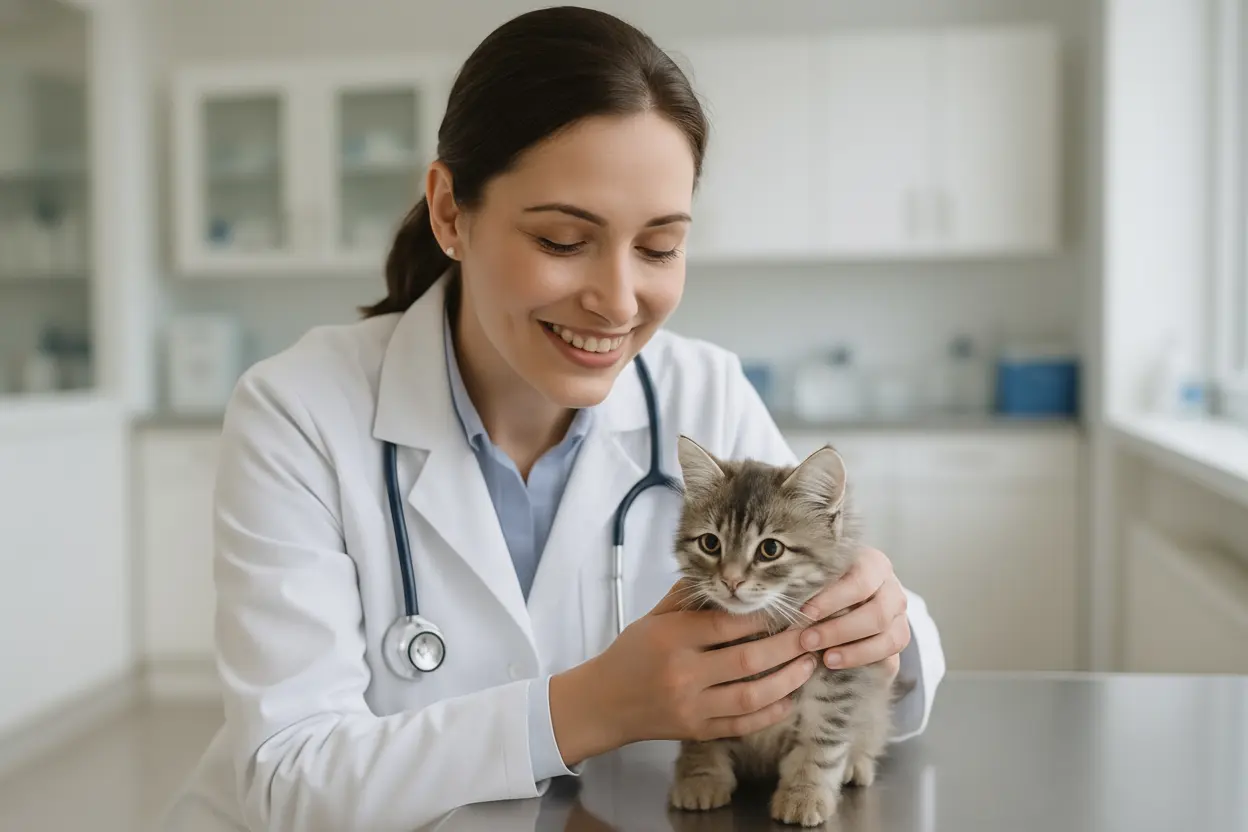
Diarrhea in kittens can be serious due to the risk of rapid dehydration. Immediate veterinary consultation is crucial if diarrhea is severe, bloody, or lasts more than 24 hours. This addresses “how to stop diarrhea in kittens fast” and “how to cure my kittens diarrhea”—the fastest and safest cure is always professional veterinary care.
Diarrhea: When to Seek Veterinary Help
Question | Answer | Action |
What to give a kitten with diarrhea? | What to do when kitten has diarrhea? | Immediate veterinary consultation is crucial. Diarrhea can be a sign of parasites, infection, or a dietary issue. Your vet may recommend a temporary bland diet, such as plain boiled chicken or a prescription therapeutic food. |
1. Upset Stomach and Hydration
Question | Answer | Key Takeaway |
How to treat kitten with upset stomach? | For mild upset stomach (vomiting once or soft stool without other symptoms), a temporary bland diet (boiled chicken/rice, if vet-approved) and withholding food for a few hours may help. Always consult a vet if symptoms persist or worsen. | Transition food slowly to prevent stomach upset. |
How to hydrate kitten? | Ensure constant access to fresh water. For kittens refusing to drink, you can offer a small amount of unflavored Pedialyte (vet-approved) or mix extra water into their wet food. Dehydration is a medical emergency. | If a kitten is lethargic or has sunken eyes, seek emergency vet care immediately. |
2. Weight Gain and Cold
Question | Answer | Key Takeaway |
How to make my kitten gain weight? / How to make my kitten fat? | Focus on a high-calorie, high-protein diet of quality kitten food. Increase the frequency of wet food meals. Your vet may recommend a high-calorie supplement like Nutri-Cal. Never overfeed or force-feed. | Consistent weight gain is the goal, not just “getting fat.” Consult your vet to rule out underlying health issues like parasites. |
How to cure kitten cold? | A kitten cold (Upper Respiratory Infection or URI) is often viral. Treatment focuses on supportive care: keeping the nose and eyes clean, ensuring they eat and drink, and using a humidifier. Consult a vet immediately for antibiotics if a secondary bacterial infection is suspected. | URIs are highly contagious. Isolate the sick kitten. |
3. Skin, Mites, and Hygiene
Question | Answer | Key Takeaway |
How to treat kitten skin problems? | Skin issues can be caused by fleas, ringworm, or allergies. Immediate vet visit is required for diagnosis. Treatment may involve medicated shampoos, oral medication, or dietary changes. You can find Skin & Coat Care products at Petopia.ae. | Never use human skin products on a kitten. |
How to treat kitten ear mites at home? | Veterinary diagnosis is essential. While some home remedies (like mineral oil) can suffocate mites, they do not treat secondary infections. Use a vet-approved Ear Mite Treatment and follow the instructions carefully. | Ear mites are highly contagious. Treat all pets in the household. |
How do i get my kitten to clean his bum? | Very young kittens (under 4 weeks) cannot clean themselves and require manual stimulation after every feeding. Use a warm, damp cloth or cotton ball to gently rub the anal and genital area until they urinate and defecate. This is called “toileting.” Older kittens should be able to use the litter box independently. | This is a critical step for orphaned or unweaned kittens. |
🛁 Kitten Care Guide: Grooming – Keeping Them Clean
1. Choosing the Best Kitten Litter
Question | Answer | Key Tip |
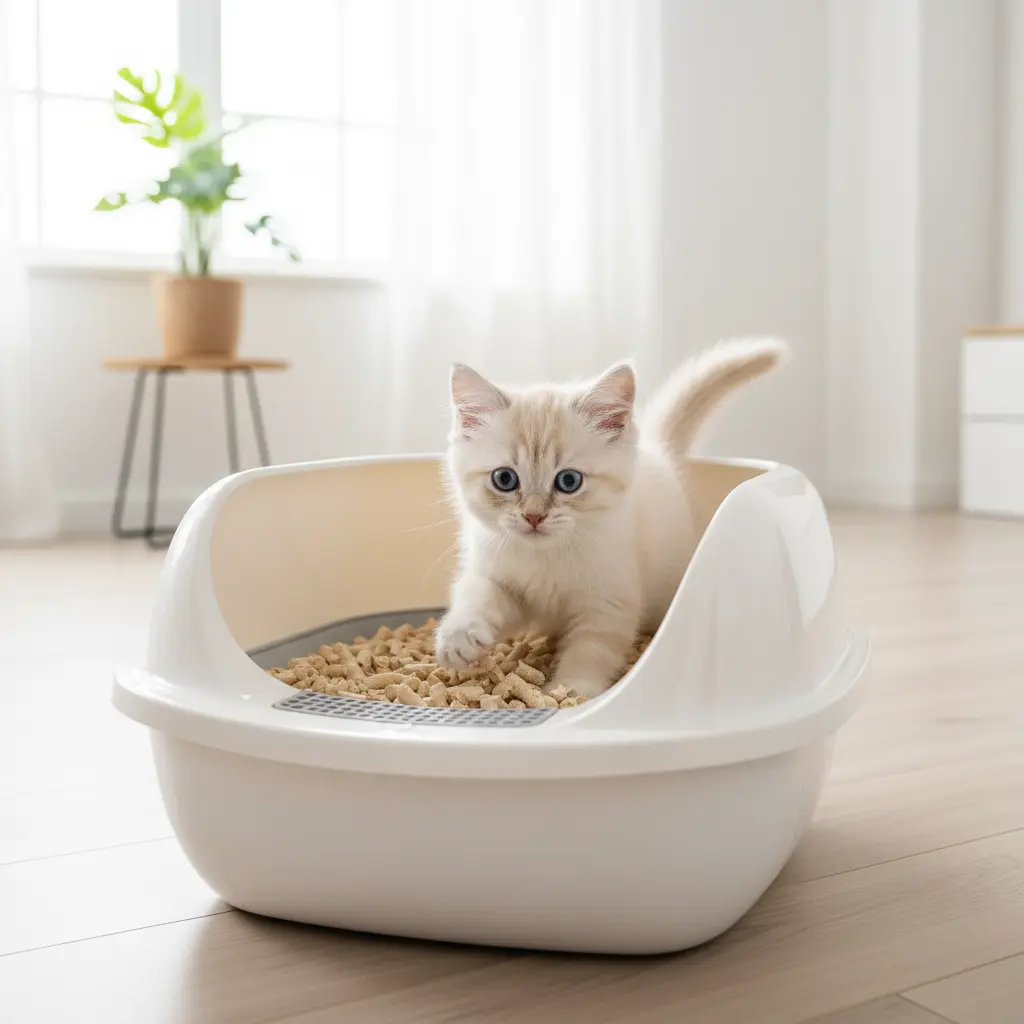
Which litter is best for kittens? | For very young kittens (under 3-4 months), the safest option is a non-clumping, non-clay litter such as paper pellets, pine, or walnut. This is because kittens are curious and may ingest litter, and clumping clay can cause serious intestinal blockages. Once they are older and reliably house-trained, you can transition to a low-dust, clumping litter. |
2. Kitten Shampoo
While cats are excellent self-groomers, sometimes a bath is necessary.
Question | Answer | Key Tip |
What’s the best kitten shampoo? | The best shampoo is a tearless, pH-balanced, and cat-specific formula. Look for products labeled as “hypoallergenic” or containing soothing ingredients like oatmeal and aloe, which are gentle on sensitive kitten skin. | NEVER use human shampoo or dog shampoo, as they can be too harsh and dry out a kitten’s skin, leading to irritation. |
Summary of Key Kitten Care Points
•Milk: Only KMR for unweaned kittens. No cow’s milk.
•Food: High-quality, kitten-specific food (wet and dry) is essential for growth.
•Diarrhea: Always consult a veterinarian immediately, as dehydration is a major risk.
•Shampoo: Use only cat-specific, gentle, pH-balanced, and tearless formulas.
By following these guidelines, you can ensure your new kitten grows up to be a healthy, happy, and well-adjusted member of your family. Welcome to the Petopia family!
Disclaimer: This guide is for informational purposes only and is not a substitute for professional veterinary advice. Always consult your veterinarian for specific health and dietary concerns for your kitten. For more information on general cat health, please visit a credible external resource like the Cornell Feline Health Center.


